Broaching is one of those quick, painless and easy fabricating processes that work so well, no other methods have effectively replaced it since its invention. For those of you not well versed in the metal forming industry, broaching is a way of carving through metals to form holes that may be deep or shallow, complex or simple, internal or external—all within a few seconds. It was first developed hundreds of years ago to carve door keyholes and to cut keyways into different machinery parts. During the world wars, it was an integral part of the rifle making process, and today, broaching fabricates gears, pulleys and driveshafts as well as form internal and external threading on fasteners like nuts, bolts and screws.
Though fast and efficient, broaching is a machining process that requires several rows of tooling. A shape is cut into material blanks by moving a cutting tool, of which there are many, over the metals or plastics. The teeth of chisels of the broach are progressively larger, each one removing the excess or unwanted material. Gradually, the desired shape is complete as the last broach tooth passes over making the final shave of pre-determined depth. Years ago, before CNC operated machinery, only the most skilled and experienced metal workers were able to produce broached products that were accurate and without errors and deformities. Today, though, broaching machines are all completely automated. In fact, they only require routine maintenance and do virtually everything without the need of a human worker.
Unlike most other metal working fabrication processes, high heat is not required nor produced during broaching. If you’re familiar with metals, it’s clear that high heat can often lead to errors in the process. But with broaching, these risks are eliminated. One of their main benefits is their ability to work fast. The whole fabrication process takes mere seconds, and there are virtually zero secondary operations necessary. Once the part has been broached, it is ready to go. Rotary broaching is one of many types which are each used to fabricate specific parts and products.
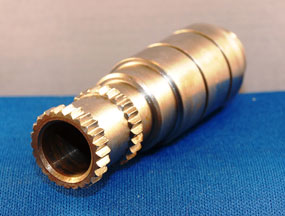 Broaching
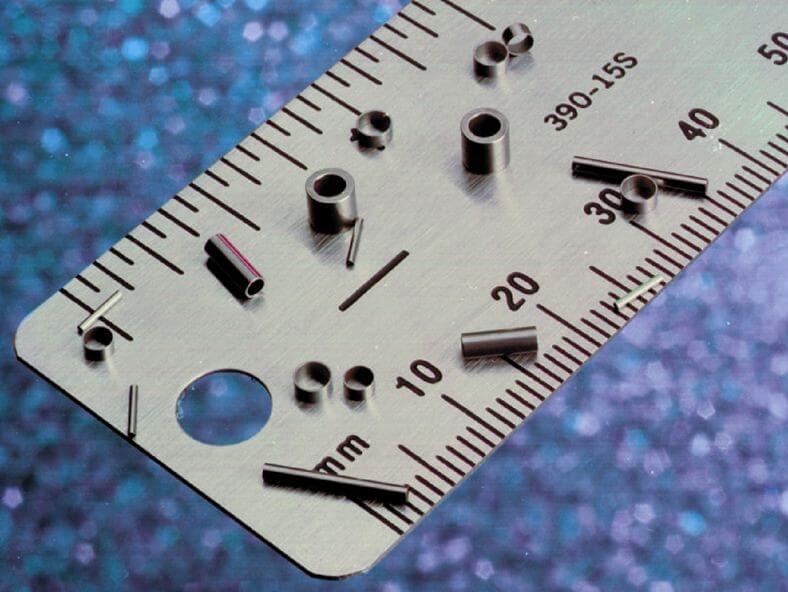 CNC Machining
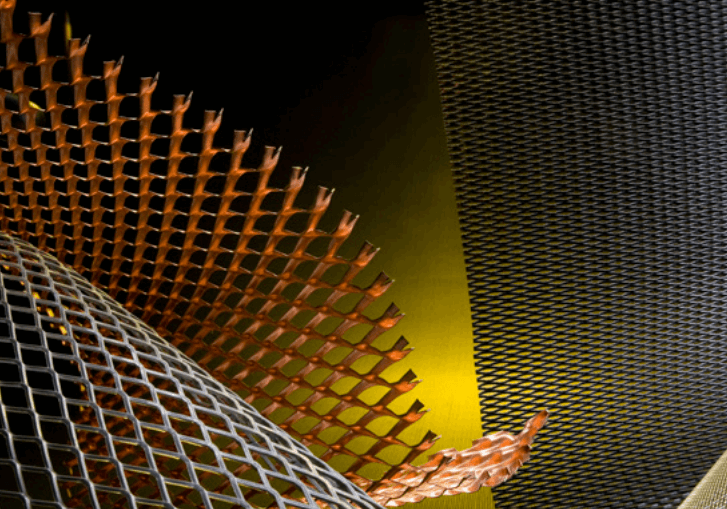 Expanded Metals
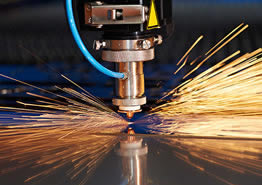 Laser Cutting
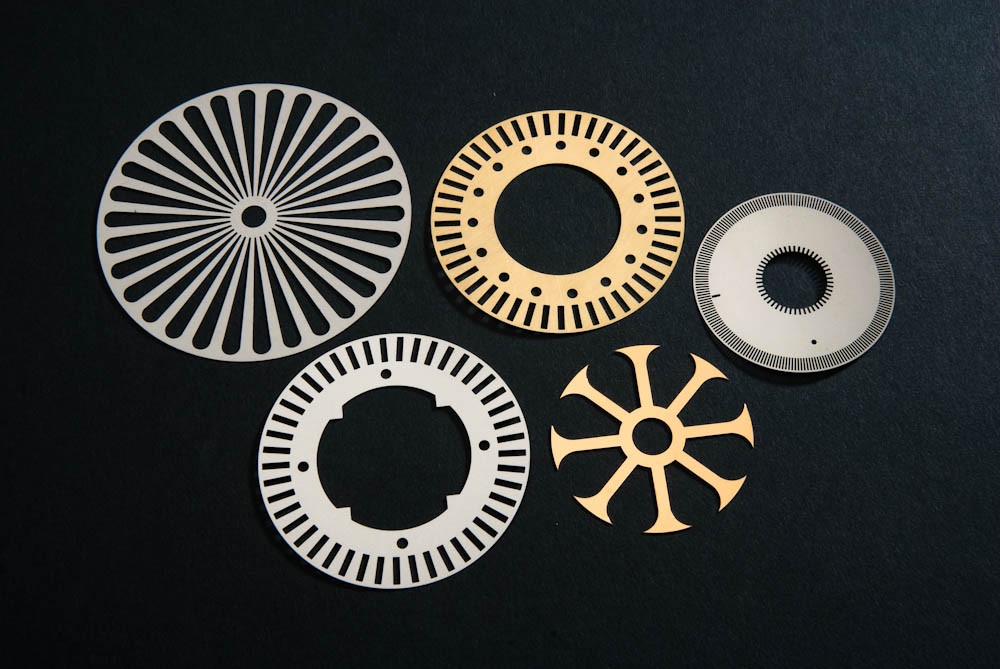 Metal Etching
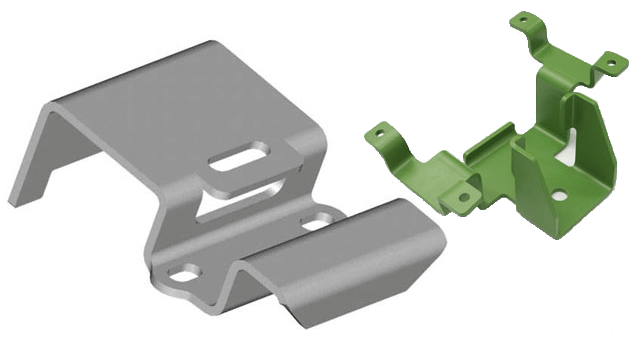 Metal Fabrication
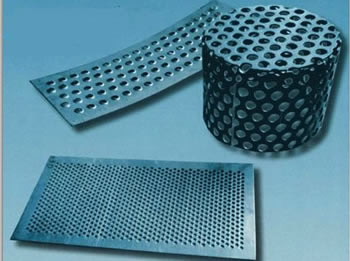 Perforated Metals
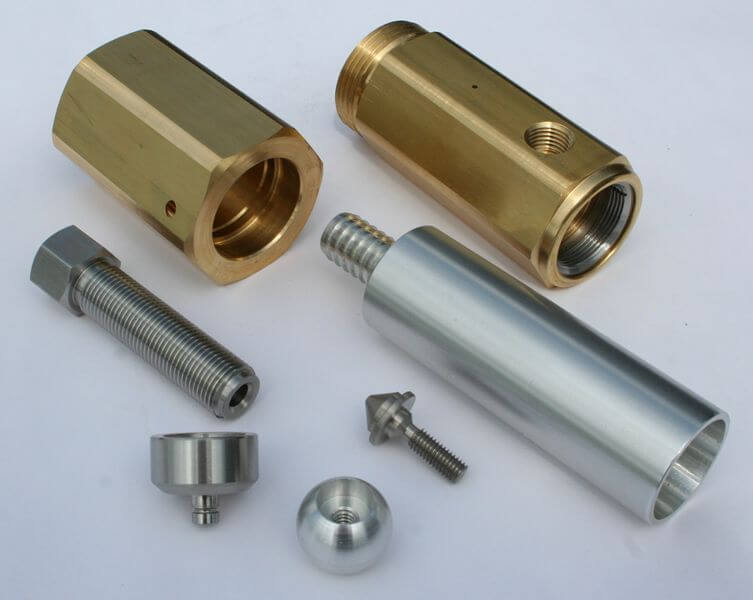 Screw Machine Products
 Metal Stampings
 Sheet Metal Fabrication
 Tube Fabrication
 Water Jet Cutting
 Castings & Forgings
 Bulk Material Handling
 Electrical & Electronic Components
 Flow Instrumentation
 Hardware
 Material Handling Equipment
 Metal Cutting Services
 Metal Forming Services
 Metal Suppliers
 Motion Control Products
 Plant & Facility Equipment
 Plant & Facility Supplies
 Plastic Molding Processes
 Pumps & Valves
 Recycling Equipment
 Rubber Products & Services